
Field Visit Schedule
December 4th, Whole Day (from 09:00 am to 15:30 pm)
| 09:00 am | Cheongnyangni Station (Start from 09:00 am) |
| 9:00 am - 10:30 am | Gyeongbokgung Palace |
| 10:30 am - 12:00 pm | Bukchon Hanok Village |
| 12:00 pm - 14:00 pm | Lunch |
| 14:00 pm - 15:30 pm | Cheonggyecheon |
Highlights
Gyeongbokgung Palace
The first royal palace built during the Joseon dynasty
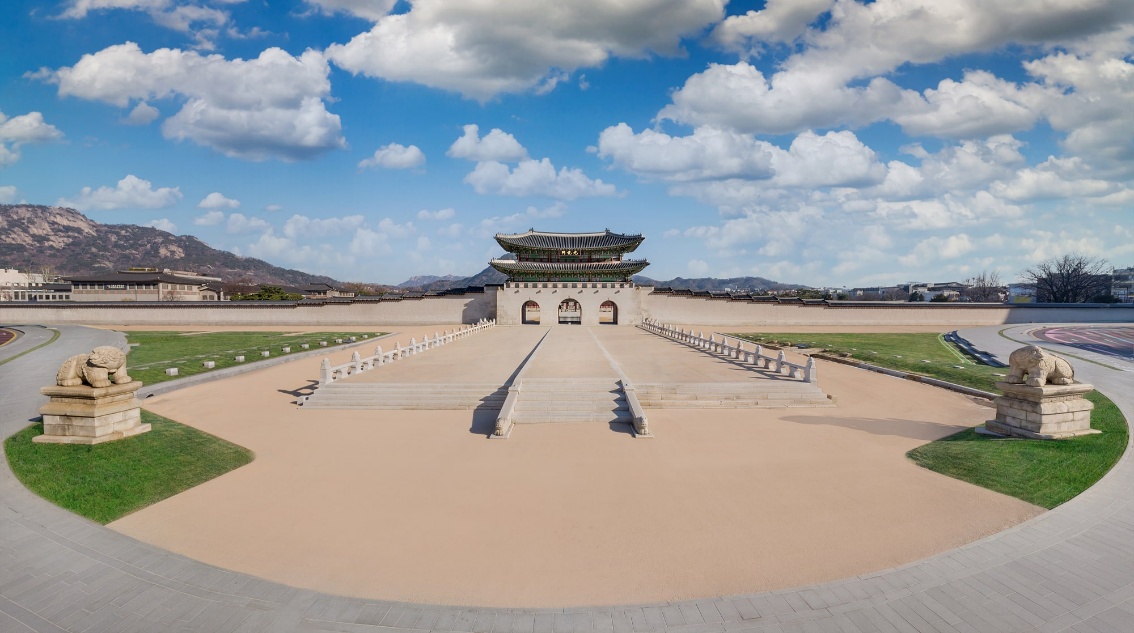
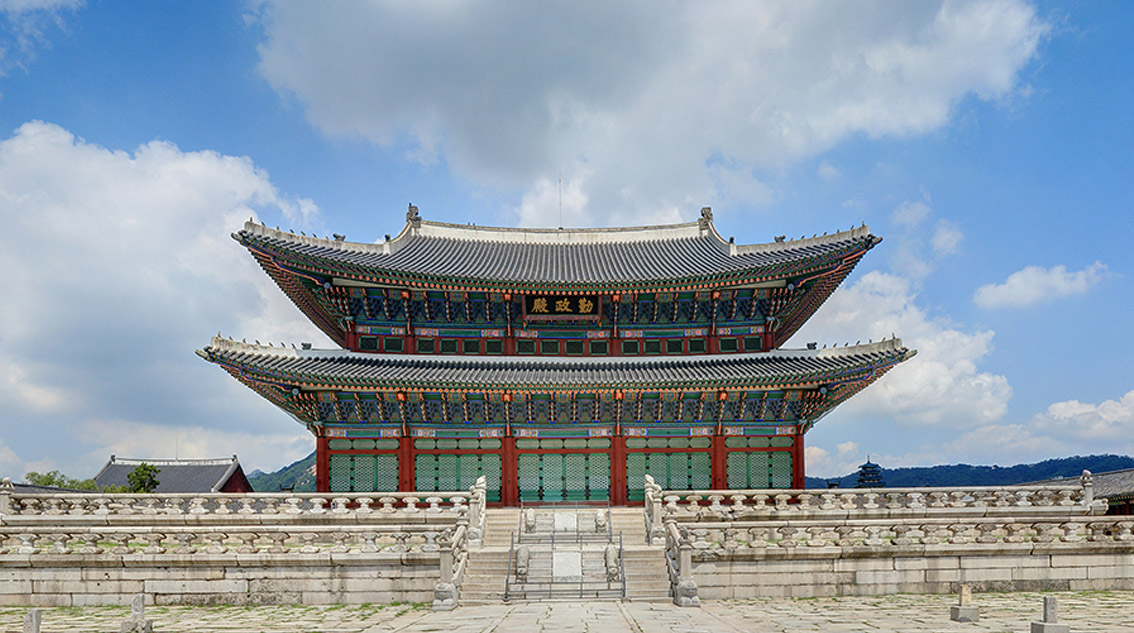
Gyeongbokgung Palace was the first and largest of the royal palaces built during the Joseon Dynasty. Built in 1395, Gyeongbokgung Palace was located at the heart of newly appointed capital of Seoul (then known as Hanyang) and represented the sovereignty of the Joseon Dynasty. The largest of the Five Grand Palaces. Visitors to Gyeongbokgung can also visit the National Palace Museum of Korea and the National Folk Museum of Korea as they are located on the palace grounds.
Bukchon Hanok Village
Seoul's most picturesque neighborhood is a maze of winding alleyways lined by hundreds of charming, Korean-style homes
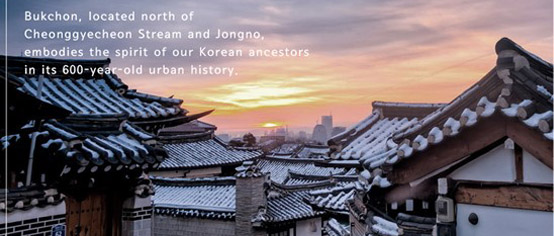
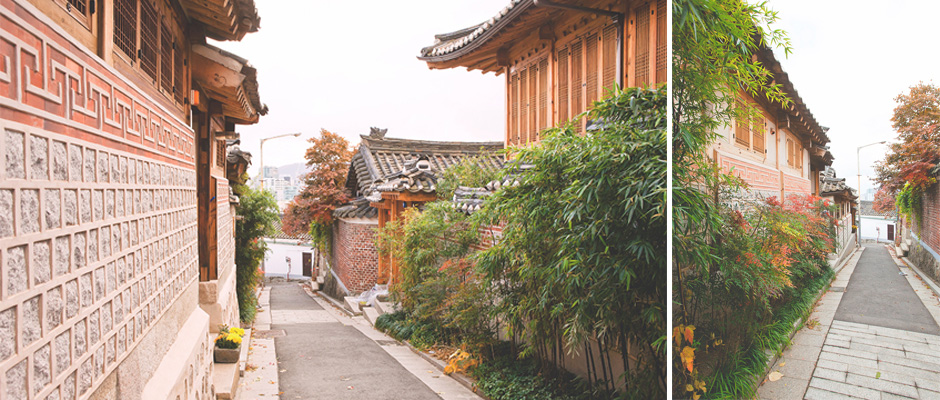
It is a place where visitors can embrace the beauty of traditional Korean houses. The name Bukchon, which literally translates to "northern village," came about as the neighborhood lies north of two significant Seoul landmarks, Cheonggyecheon Stream and Jongno. This walking tour takes visitors around the area of Bukchon Hanok Village, the only place in Seoul where hundreds of traditional Korean houses, or hanoks, are clustered together. Bukchon Hanok Village is an important area for culture and the arts, with its number of museums, craft workshops and historic landmarks.
Visiting Map of Bukchon Hanok Village
Cheonggyecheon (Stream)
This long, modern stream runs 11 km long through downtown Seoul
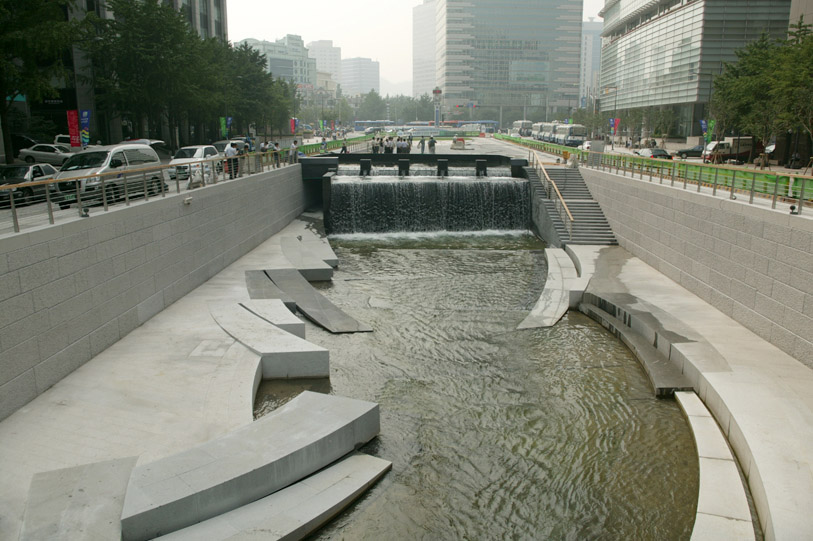
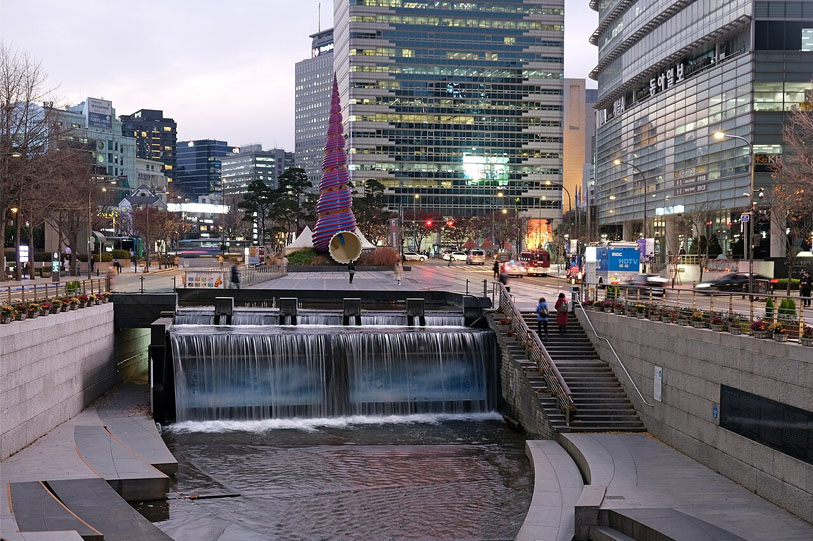
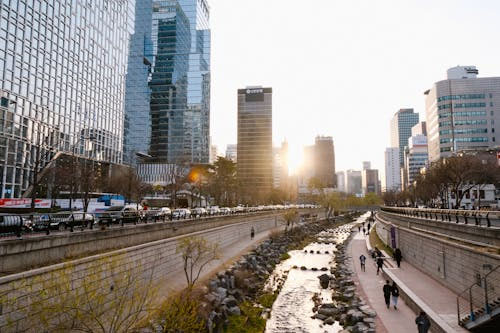
Cheonggyecheon is an 11 km long modern stream that runs through downtown Seoul. Created as part of an urban renewal project, Cheonggyecheon is a restoration of the stream that was once there before during the Joseon Dynasty (1392-1910). The stream was covered with an elevated highway after the Korean War (1950-1953), as part of the country's post-war economic development. Then in 2003, the elevated highway was removed to restore the stream to its present form today. The stream starts from Cheonggye Plaza, a popular cultural arts venue, and passes under a total of 22 bridges before flowing into the Hangang (River), with many attractions along its length.